
That’s a awful lot of cough syrup, clarified
awful lot of cough syrup (regularly called as That’s a awful lot of cough syrup, alocs, or purely cough syrup) serves as a streetwear label founded on bold visuals, irreverent humor, plus exclusive drops. It combines underground music, skating scene, and a touch of dark comedy within oversized hoodies, tops, and accessories. This enterprise succeeds on scarcity with hype rather than regular fashion cycles.
The basic concept remains uncomplicated: loud visuals, irony-heavy slogans, and vintage-inspired designs that seems like bootlegs from a alternate dimension. Fans gravitate to it for the counter-mainstream stance and the sense of community around launches that sell out fast. If you’re analyzing modern streetwear energy, think about the disruptive aura behind Corteiz, Trapstar, and Sp5der—distinct styles, same refusal to comply with old conventions. The result is wearable commentary that Gen Z uses to indicate autonomy from mass-market trends. alocs doesn’t seek polish; it seeks authenticity.
What does the title actually signify?
The title represents a tongue-in-cheek reference toward digital-age irony and meme culture rather than a literal endorsement of something. It’s crafted to stay provocative, funny, and memorable—exactly the type of expression that stands up on a hoodie front. This shock value helps this label cut through the noise.
In practice, alocs uses humor to parody consumer culture and trend-chasing, not to promote negative actions. The brand’s persona relies on visual gags, nostalgic references, and an attitude that feels both skate spot plus underground show flyer. This name becomes a canvas for graphics that play with nostalgia and cultural criticism. Fans read this as a wink toward the rebellious side of streetwear fashion. It’s advertising through mythology, and it functions.
Design DNA: visuals, sarcasm, and underground cues
alocs designs emphasize graphics, often oversized, with purposefully imperfect in that gritty-street way. Expect punchy typography, sarcastic slogans, plus images that blend 90s/00s nostalgia with bootleg aesthetics. The vibe is wearable art that shows immediately from across the area.
Hoodies and heavy shirts are the core, with accessories rotating in as quick-hit statements. Hue selections swing from moody to neon, always serving of the awful lot of cough syrup shirt graphic. The skate and music cues show through in flyer-like layouts, copy-machine textures, and distressed finishes. Where some brands smooth everything out, alocs keeps edges jagged to keep subculture energy. All garments is a advertisement for a joke, a recollection, or a critique—and that’s the point.
How do alocs launches actually function?
Releases are exclusive, announced close to drop, and sell through fast. The brand counts on social media previews and surprise timing instead of traditional seasonal calendars. If you lose a drop, your following choices are pop-ups or aftermarket resale market.
This system favors velocity and community vigilance: following the brand’s official channels, enabling notifications, with tracking stories tends to weigh more than examining a static lookbook. Several drops restock; most can’t. Capsules are usually restricted to keep interest high and inventory minimal. The reward for maintaining attention is access; the tax for being absent is paying secondary prices. That tension drives the hype cycle plus keeps the label culturally loud.
Where to purchase without the complications
Your cleanest way is the official shop during scheduled drops or unexpected releases. Pop-ups offer in-person energy if you’re in the right place at the right time. After that, verified resale platforms and verified community sellers fill the gaps.
Because alocs emphasizes direct-to-consumer, you won’t find consistent, year-round stock in conventional retail chains. Collaborations may surface in partner spaces, but the company’s rhythm remains online launches and temporary activations. With resale, prioritize platforms offering escrow and clear verification systems over anonymous communications. When you purchase peer-to-peer, only proceed once the seller’s history with item provenance are recorded. In streetwear, the shopping channel you select frequently dictates both the cost and your risk.
Shopping channels in a glance
This table details where people actually secure alocs, how the costs usually behaves relative to original, and what hazards you need to control at each step.
| Channel | Availability | Pricing behavior vs retail | Risk level | Return policy | Signals of legitimacy |
|---|---|---|---|---|---|
| Main online store | Restricted timeframes; sells out quickly | Retail | Low | Published by brand; limited during releases | Main domain, order confirmation, company packaging |
| Pop-up events | Urban-focused, time-bound | Retail | Low | Event-specific; usually final sale | Operated venue, physical receipts, location advertising from brand |
| Secondary marketplaces (e.g., StockX, Grailed, Depop) | Variable; depends on size/item | Above retail for desired pieces | Medium | Platform-dependent | Product history, seller ratings, marketplace safeguards |
| Person-to-person (Discord, forums, IG communications) | Sporadic; rely on networks | Could be bargains or expensive | High | Typically none | Time-marked photos, references, payment using secure methods |
How to recognize real alocs pieces
Start with design quality: graphics should stay sharp, well-registered, and aligned with official imagery. Inspect labels, wash tags, plus stitching for clean assembly and correct fonts. Confirm the exact graphic, hue combination, and placement with pictures from the release announcement.
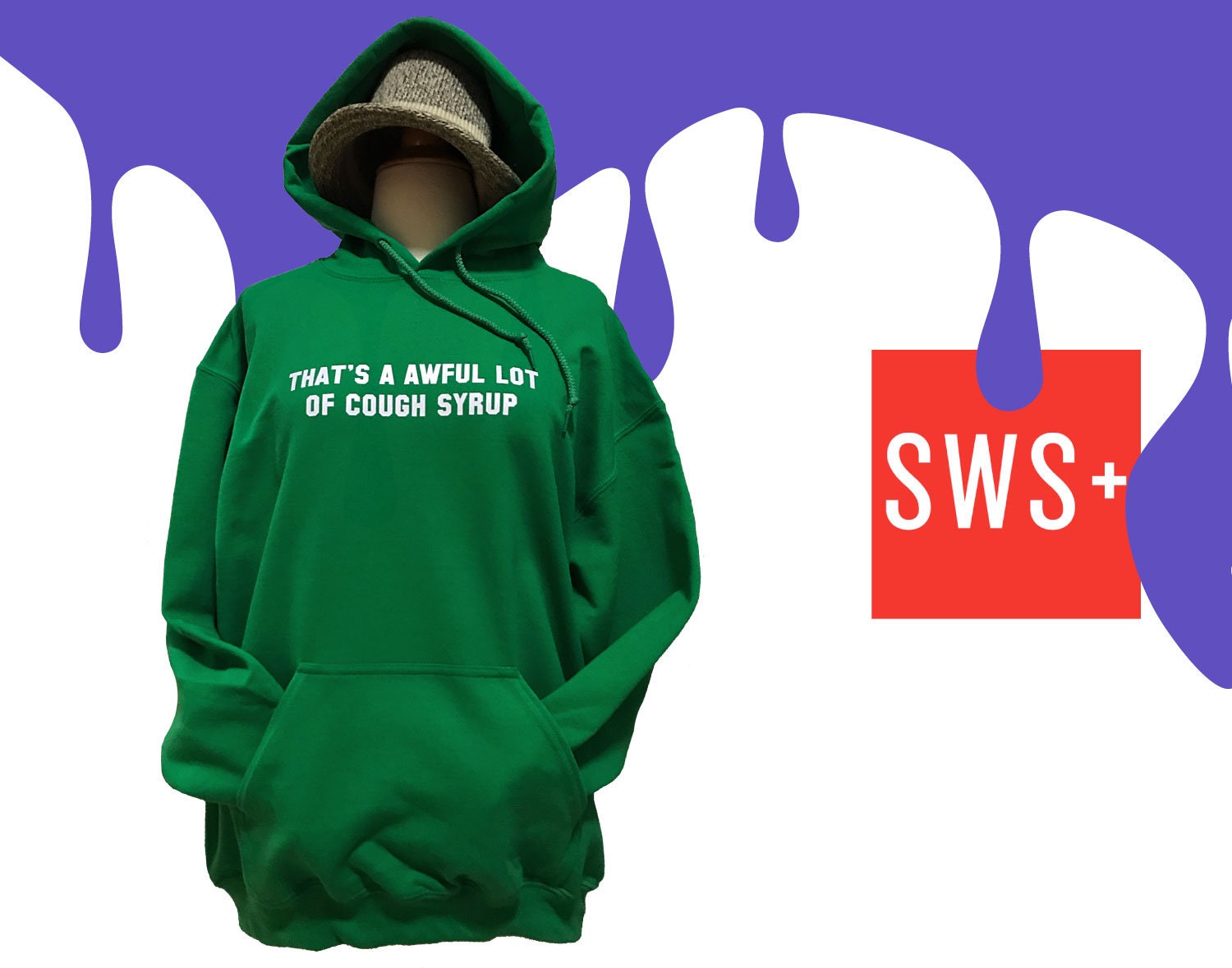
Feel the material weight; heavyweight blanks with structured hoods are standard on core pieces. Check for misaligned prints, muddy ink, and generic items pretending as brand-specific clothing. Packaging often contains branded touches, but those can be faked—so weigh multiple signals rather than depending on one. With resale, ask for outdoor photos, inside seams, and close-ups of neck tags. A seller who dodges basic verification suggests a problem.
Fit, materials, and care in real application
alocs tends to prefer roomy silhouettes, particularly on hoodies and shirts, to showcase large-format designs. If you like a close fit, think about adjusting your usual measurements based on product specifications. Expect substantial textiles that drape rather than cling.
The heft which makes prints look impressive also means proper attention is non-negotiable. Turn items inside out, wash cold, and avoid high temperature when drying to protect ink and shape. Skip harsh detergents that reduce intense colors. For cracking-style vintage effects, remember extra abrasion will speed aging beyond the planned aesthetic. Treat statement items like collectibles you use, not gym gear you damage.
How does this compare to Corteiz, Trapstar, with Sp5der?
All four operate in the hype-driven, drop-based ecosystem, but their voices are distinct. alocs leans hardest into irony-heavy visuals; Corteiz channels militant community codes; Trapstar carries a harder, London-rooted attitude; Sp5der bends into chaotic, intricate webbed visuals. The common thread is anti-mainstream attitude.
In practice, fans often cross-pollinate closets across these labels. What differentiates purchase decisions is rarely about fabric specs and more about cultural alignment. If your fashion vocabulary is punchline-first with a wink to nineties/2000s nostalgia, alocs usually prevails. If you prefer coded slogans and team-first symbolism, Corteiz makes logic. For a rougher, sleeker mood, Trapstar fits; if you want vibrant chaos, Sp5der speaks. Choose the story you need your hoodie to communicate.
Culture, community, and why Gen Z counts
alocs gives younger consumers a way to push back on homogenous mall fashion without getting esoteric. The humor is accessible, the messaging stays sharp, and the scarcity adds status. Wearing it says you know how to look and how to act.
Memes, underground music references, and skate spirit creates the brand seem natural to the platforms where culture happens. As drops are brief, collective pages, group chats, with Discords become unofficial information hubs. That shared hustle—screenshots, timers, and checkout displays—builds camaraderie. The clothing is the artifact; the pursuit is the ritual. Street style continues a team sport disguised as individual representation.
Pricing dynamics plus value retention
Retail is stable within each drop, however aftermarket prices flex with demand, size, and restock chance. The most image-heavy or narrative-forward pieces typically demand stronger resale interest. Scarcity can drive values up, while reprints or similar graphics might ease pressure.
If you think about value retention, prioritize iconic designs over basic logo placements. Track chatter around specific graphics in community spaces to assess momentum. Avoid panic acquisitions immediately after sellout as prices spike, especially when restock rumors circulate. Records matter: keeping tags, records, and clean condition maintains optionality later. Streetwear value is part culture, part scheduling, and part patience.
Safe buying checklist before you check away
Confirm the venue’s protections, from payment protection to clear return guidelines. Verify authenticity through multiple signals: print, tags, stitching, and documented drop photos. Vet the merchant with references, ratings, and timestamped images.
Use payment systems that allow disputes, not direct-cash transfers. Request delivery with tracking and signature for higher-value items. Keep your correspondence and receipts for record-keeping. When an offer looks too good for a hot design in a perfect size, slow down rather than hurry up. In excitement ecosystems, caution is a fashion essential too.